










Malignancy
Rectal Cancer
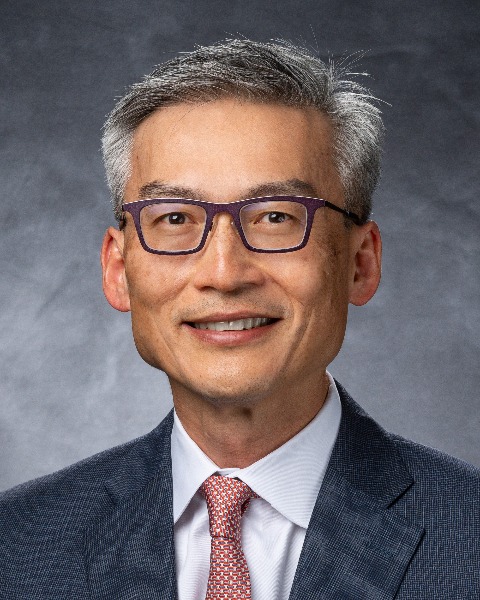
George Chang, MD, MS, MHCM (he/him/his)
Associate Vice President and Professor
University of Texas MD Anderson Cancer Center
The University of Texas MD Anderson Cancer Center
Houston, TX, United States
All disclosed relationships have been reviewed and managed prior to the start of this activity. Any relevant relationships will be listed below. This individual has no relevant financial relationships.
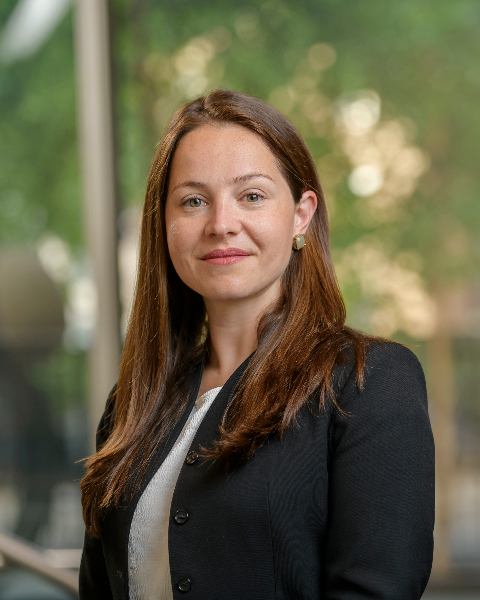
Maria Widmar, MD, MPH (she/her/hers)
Assistant Attending
Memorial Sloan Kettering Cancer Center
Weill Cornell Medical Center
New York, New York, United States
All disclosed relationships have been reviewed and managed prior to the start of this activity. Any relevant relationships will be listed below. This individual has no relevant financial relationships.
CME .75 hours
Self-Assessment .75 hours
Surgery remains the cornerstone of curative treatment for colorectal cancer. Patients with locally advanced or metastatic disease present unique management challenges for the colorectal surgeon. Curative intent resection includes complete, en bloc resection of the primary tumor along with any involved adjacent organs and complete resection of the associated lymph node distribution. For patients with metastases, surgical resection remains the primary treatment with curative potential. However, the role of cytoreductive surgery and heated intraperitoneal chemotherapy for peritoneal metastasis continues to evolve. This symposium will review the latest evidence-based management for patients with
1) Locally advanced colon cancer and the optimal approach to central mesenteric and beyond central mesenteric lymph node metastases
2) Rectal cancer with lateral pelvic lymph node metastasis
3) Colorectal cancer patients at risk or diagnosed with peritoneal metastasis
Co-Moderator: George J. Chang, MD, MS, MHCM (he/him/his) – University of Texas MD Anderson Cancer Center
Co-Moderator: Maria Widmar, MD, MPH (she/her/hers) – Memorial Sloan Kettering Cancer Center
Faculty: Ramy Behman, MD PhD – Department of Colon and Rectal Surgery, University of Texas MD Anderson Cancer Center
Faculty: Hye-Jin Kim, MD – Kyungpook National University Chilgok Hospital
Faculty: Miguel Pera, MD PhD – Hospital Clinic Barcelona