










Visiting Staff
Kaohsiung Veterans General Hospital
Kaohsiung City, Kaohsiung, Taiwan (Republic of China)
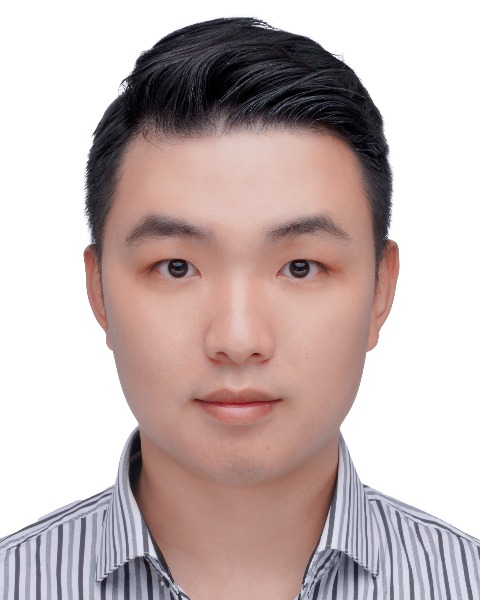
Shih-Feng Huang, M.D., is an attending surgeon in the Division of Colon and Rectal Surgery at Kaohsiung Veterans General Hospital, Taiwan. His clinical practice focuses on robotic using the da Vinci Xi surgical system and laparoscopic minimally invasive surgery for colorectal cancer, with particular experience in intracorporeal anastomosis techniques and natural orifice specimen extraction (NOSE) procedures.
Dr. Huang's research centers on surgical data science — the systematic application of quantitative methods to improve the evaluation and quality of surgical care. He employs propensity score techniques, including inverse and overlap weighting, to draw rigorous causal comparisons from observational surgical data, enabling balanced evaluation of emerging surgical techniques against established standards. His work on surgical learning curve assessment uses video-based risk-adjusted CUSUM analysis and machine learning risk modeling to provide objective, data-driven benchmarks for technical proficiency in robotic colorectal surgery. These methods move beyond traditional volume-based criteria toward outcome-informed proficiency assessment. He has also developed an automated CT pelvimetry pipeline that integrates deep learning–based anatomical segmentation with standardized clinical measurements to support preoperative planning and surgical difficulty prediction. This pipeline is publicly available as the open-source ctpelvimetry Python package on PyPI, reflecting his commitment to reproducible research and open science.
Dr. Huang has authored over 12 peer-reviewed publications as first or corresponding author in international journals including the International Journal of Colorectal Disease, Journal of Robotic Surgery, Annals of Coloproctology, Colorectal Disease, and the International Journal of Computer Assisted Radiology and Surgery. He has presented at major international meetings including the American Society of Colon and Rectal Surgeons (ASCRS), the European Society of Coloproctology (ESCP), and the Japanese Society of Coloproctology (JSCP). He is currently pursuing advanced graduate study in computer science and biomedical informatics to further bridge surgical practice with artificial intelligence.